

When winter hits Colorado Springs, icy sidewalks are serious slip-and-fall hazards. You head out for a morning walk, step onto what looks like a cleared pathway, and before you can react, you’ve hit the pavement. The culprit? A patch of ice that no one warned you about. But who’s responsible when those conditions cause real injury?
Slip-and-fall injuries from winter ice aren’t just accidents — they may be premises liability cases. Here’s what you need to know about clear ice, black ice, and your legal options if you’ve been hurt.
What Causes Dangerous Icy Sidewalks?
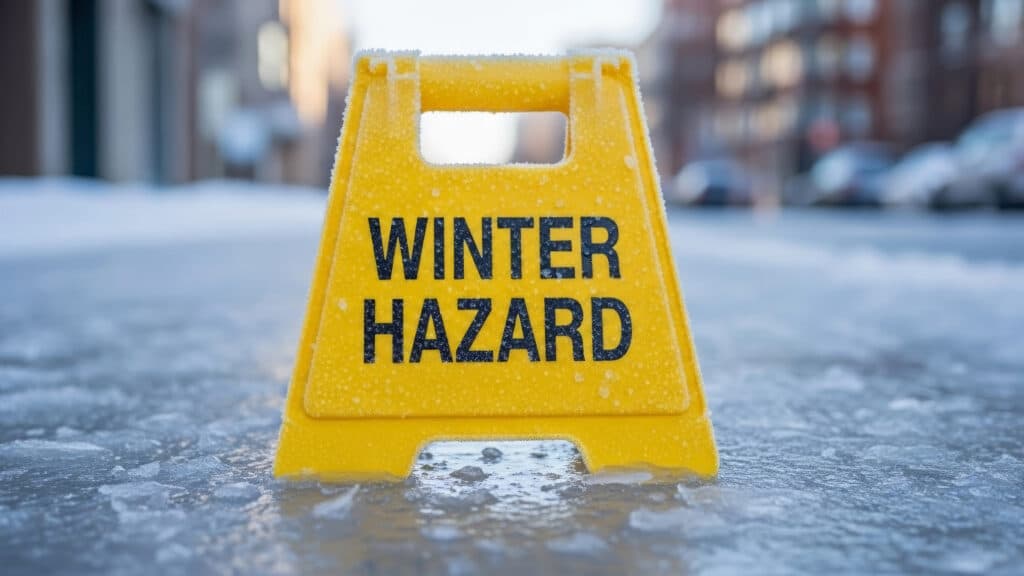
Not all sidewalk ice is easy to spot. In fact, the most dangerous kind might be black ice, also called clear ice or glaze ice. It’s a thin, nearly invisible layer that forms when moisture refreezes — especially in the early morning or on shaded areas, overpasses, or poorly drained sidewalks.
These nearly invisible hazards cause sudden loss of traction, resulting in painful falls, hospital bills, and time off work. While it might feel like no one could’ve seen it coming, these conditions can — and should — be managed by property owners.
Who Is Responsible for Clearing Sidewalks in Colorado Springs?
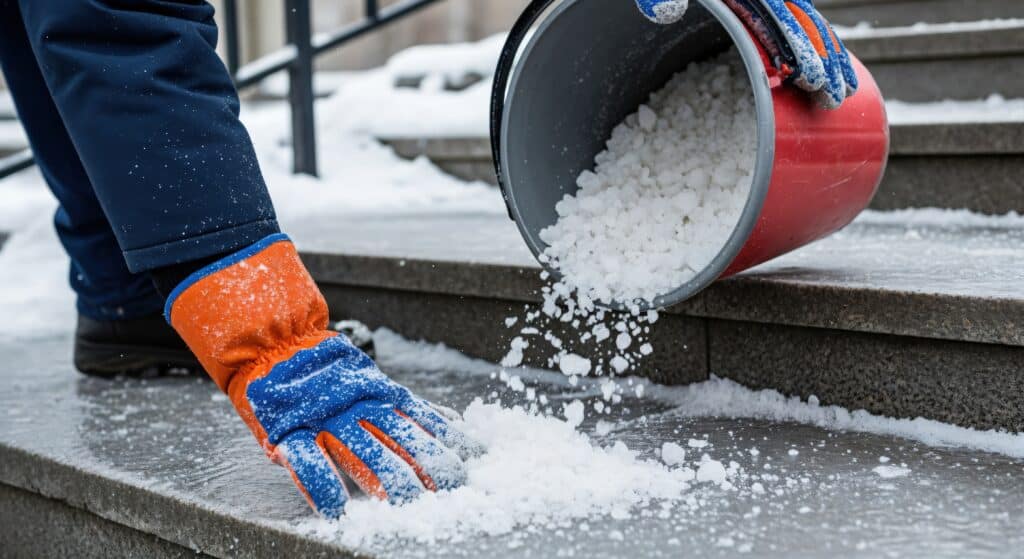
For residential and commercial properties, Colorado Springs municipal code requires that snow and ice removal take place within 24 hours of the end of snowfall. If a property owner fails to clear icy sidewalks and someone gets hurt, they could be held liable under premises liability laws.
That includes:
- Homeowners (especially near high-foot-traffic areas)
- Commercial property owners
- Property management companies
- HOAs or landlords
Responsibility also depends on control of the area. For example, a tenant may be responsible for their storefront sidewalks, while a landlord might handle common walkways.
What Makes It a Premises Liability Case?
A slip and fall accident on icy sidewalks can become a personal injury claim if a property owner breached their duty of care. That means they failed to act with reasonable care to remove or warn about a known danger.
Here’s what may strengthen a case:
- Ice had been there for hours or days
- There were previous complaints about the area
- No warning signs or salt/grit was used
- The ice was invisible and not obvious to pedestrians
If the owner knew (or should have known) about the risk and didn’t act, they may be considered negligent.
Common Icy Sidewalk Injuries
Slipping on glaze ice can lead to more than just bruised pride. According to OSHA’s winter weather safety guidance, icy surfaces pose serious hazards for both pedestrians and workers — especially when conditions change quickly after snow or freezing rain.
Many winter falls result in:
- Fractured wrists or hips
- Concussions or other head injuries
- Back, neck, or spinal trauma
- Torn ligaments or muscle injuries
Even a “minor” fall can lead to ongoing pain, medical appointments, or missed work, making it worth exploring your legal options.

What to Do If You Slip and Fall on Ice
If you’ve been hurt in a fall on ice, here’s how to protect yourself:
- Take photos of the area (before ice melts or is cleared)
- Note the date, time, and location
- Get medical attention immediately
- Request security footage or witness contact info if available
- Save shoes/clothing worn at the time of the fall
- Reach out to an experienced personal injury attorney
Even if you’re not sure someone else was responsible, a legal consultation with a slip and fall accident attorney can help you understand your rights and whether negligence was involved.
Let Us Be Your Legal Advocates
A slip and fall accident on icy sidewalks can leave you with more than just injuries; it can leave you with medical bills, lost time, and a lot of unanswered questions. You shouldn’t have to shoulder those consequences alone, especially if negligence led to your accident.
At Schofield & Green, we take premises liability cases seriously. Our slip and fall accident attorneys can help you get the compensation you’re entitled to after a sidewalk injury. Schedule your free consultation today, and claim your free case evaluation.
Frequently Asked Questions About Slip and Fall Accidents
How long do I have to file a claim after a fall on icy sidewalks?
In Colorado, the statute of limitations for personal injury claims is generally two years from the date of the incident. However, waiting too long can make it harder to gather evidence or contact witnesses. It’s best to speak with a personal injury lawyer as soon as possible to protect your rights.
What if I was partially at fault for the fall?
Colorado uses a modified comparative negligence rule. That means even if you were partially responsible (e.g., not wearing proper footwear), you can still recover damages as long as you weren’t more than 50% at fault. Your compensation may be reduced based on your level of responsibility.
Can I sue a business if I fell outside their storefront?
Yes, if the business had a legal duty of care to maintain the sidewalk or entryway and failed to address the hazard. Businesses are expected to take reasonable steps to keep walkways safe for customers, especially during winter conditions.
What kind of compensation could I receive?
Compensation may include medical expenses, lost wages, pain and suffering, and rehabilitation costs. Each case is unique, so it depends on your injuries, recovery time, and how the incident impacted your daily life.
What if there were no witnesses to my fall?
Even without direct witnesses, your case can still be valid. Evidence like weather reports, surveillance footage, maintenance logs, or previous complaints about the area can all help establish liability.