Winter in Colorado Springs can be beautiful — the crisp air, snow‑topped peaks, and early holiday lights can make this a magical season. But winter also brings hidden dangers, and black ice accidents in Colorado Springs are a serious risk.
If you or someone you love has been injured on black ice, you’re not without options. Depending on the circumstances, you may have a right to pursue compensation — and a personal injury attorney can help you understand how.
Let’s walk through what makes black ice so dangerous, when legal liability comes into play, and what to do if you’ve been hurt due to someone else’s negligence.
What Is Black Ice?
Black ice (also called clear ice) is a thin layer of transparent ice that forms on roads, sidewalks, and parking lots. It’s called “black” because it blends in with the pavement underneath — making it incredibly hard to see.
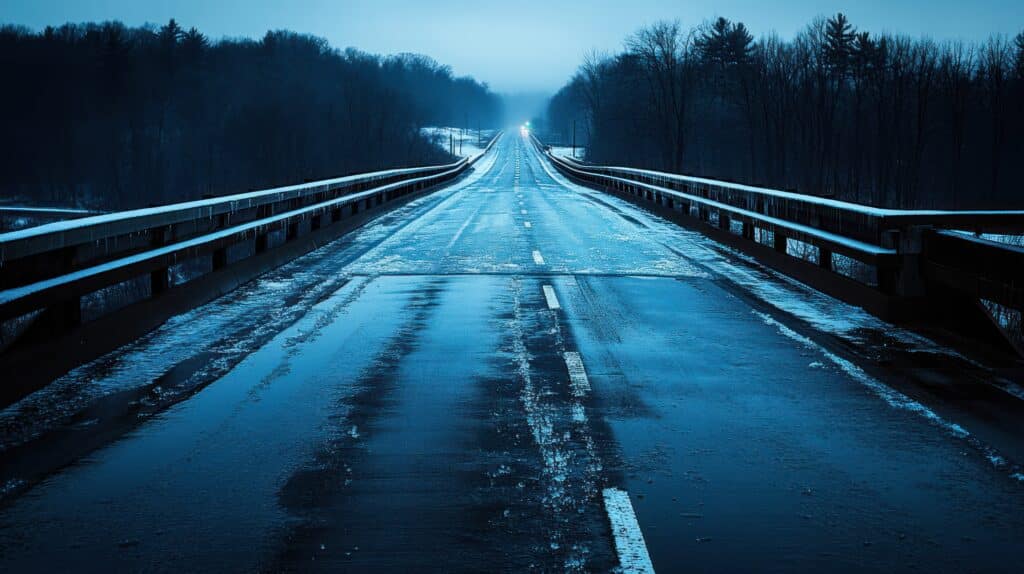
The National Weather Service defines it as “patchy ice on roadways or other transportation surfaces that cannot easily be seen.” It’s most common when temperatures drop overnight, refreezing moisture from melted snow or rain. Bridges, overpasses, and shaded roads are frequent hotspots.
Unlike snow or slush, black ice offers no visual warning. That’s what makes it so dangerous — and so common in winter injuries and personal injury cases.
Why Colorado Springs Is a Black Ice Hotspot
Here in Colorado Springs, the risk of black ice spikes for a few key reasons:
- High elevation: Temperatures drop quickly once the sun sets.
- Sunny days, freezing nights: Snowmelt during the day refreezes into ice after dark.
- Shaded terrain: Tree-lined streets and mountain corridors keep pavement colder, longer.
- Frequent bridge crossings: Air circulates above and below bridges, making them ice over faster than regular roads.
The result? Dozens of slip-and-fall accidents, multi-vehicle collisions, and pedestrian injuries every winter, many of which could have been prevented.
The Risks of Black Ice Accidents
You might not see it coming — and that’s what makes black ice accidents so dangerous. Because black ice is nearly invisible, drivers, pedestrians, and cyclists often don’t realize they’re in a hazardous situation until it’s too late. Whether you’re on foot, on two wheels, or behind the wheel, the consequences of these hidden ice patches can be severe.
Black Ice Car Accidents
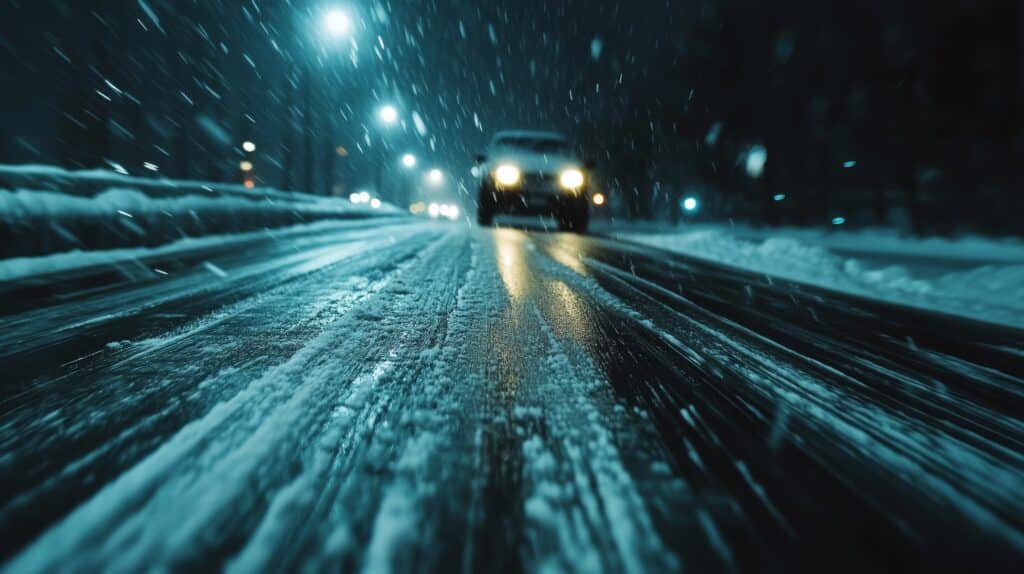
Some of the most common car accident cases involve black ice. Motorists can easily hit black ice while slowing down or turning, leading to:
- Spinouts and single-vehicle crashes
- Rear-end collisions
- Multi-car pileups
- Collisions with barriers or pedestrians
Pedestrian Slip-and-Fall Accidents
People walking across icy parking lots, sidewalks, or business entrances can fall hard — especially when carrying groceries, pushing a stroller, or rushing indoors. Because of this, black ice has become a serious public safety concern. Common injuries include:
- Broken wrists or hips
- Concussions or traumatic brain injuries
- Back or spinal damage
Cyclist Injuries
For cyclists, black ice can be especially unforgiving. Because bicycles rely on thin tires and balance, even the smallest patch of hidden ice can result in a sudden wipeout — often without any time to brake or correct. These falls can be painful, dangerous, and even life-threatening depending on where and how they happen.
Common cyclist injuries and accident cases include:
- Broken collarbones or wrists from bracing during a fall
- Head injuries, especially if the cyclist wasn’t wearing a helmet
- Road rash or lacerations from sliding across rough pavement
- Collisions with vehicles when a fall occurs near traffic
- Soft tissue injuries to knees, elbows, and shoulders
Who’s Liable for a Black Ice Accident?
Not every winter slip or crash is legally actionable. But in many cases, black ice accidents happen because someone failed to act with reasonable care.
That’s where a personal injury lawyer comes in.
When Property Owners May Be Liable
Under Colorado premises liability law, property owners have a duty to maintain safe conditions for lawful visitors. That includes:
- Clearing ice and snow within a reasonable time
- Salting/sanding known danger areas
- Warning guests of potential hazards
If a business owner, landlord, or HOA fails to prevent or address known black ice risks — and you’re injured — they may be financially liable for your medical bills, lost income, and more.
When Municipalities May Be Responsible
In some cases, local governments are responsible for maintaining sidewalks, public crosswalks, or poorly drained streets. If a known problem area is ignored — especially where previous accidents occurred — legal action may be possible under Colorado’s governmental immunity laws (which have strict notice and timing requirements).
When Drivers Are Negligent
If another driver lost control on black ice and hit you, that driver may still be responsible — even if there were poor road conditions. Failing to slow down or drive according to winter driving conditions can still be considered negligence.
What to Do If You’re Injured on Black Ice
If you’ve been hurt in a black ice accident, here’s what to do:
1. Seek Medical Help Immediately
Even if your injuries seem minor, get checked out. Adrenaline can mask serious issues like fractures or head trauma.
2. Take Photos
If you can, take photos of the scene — especially the surface where you slipped on black ice or crashed due to icy road conditions. These images can preserve evidence before ice melts.
3. Report the Incident
- For car crashes, call the police.
- For slips on private property, notify the owner or manager right away and ask for an incident report.
4. Don’t Make Assumptions About Fault
Just because it was icy doesn’t mean no one’s responsible. Let an experienced accident attorney evaluate your case before assuming you’re out of luck.
5. Call a Personal Injury Attorney
A legal team can help preserve evidence, request surveillance footage, determine liability, and pursue the compensation you’re entitled to.
What Kind of Compensation Can You Recover?
If your injury was caused by someone else’s failure to act, you may be eligible for compensation, including:
- Medical expenses (past and future)
- Lost wages
- Pain and suffering
- Reduced earning capacity
- Disability or permanent impairment
In cases of gross negligence — such as repeat failure to treat known icy areas — you may even be entitled to punitive damages.
Don’t Let a Hidden Hazard Derail Your Life
Black ice can cause devastating injuries. But they don’t have to cause lasting financial harm. If your fall, crash, or injury was preventable, we’re ready to fight for your recovery.
At Schofield & Green Law, we’ve helped countless Colorado Springs residents navigate the aftermath of black ice accidents — from serious vehicle collisions to life-altering slip-and-fall accidents.
What sets us apart?
- We understand Colorado weather patterns and how they impact liability.
- We move fast to preserve evidence before conditions change.
- We don’t back down from insurance companies that try to deny winter weather claims.
- We only get paid if you do.
Let us protect your rights and pursue the results you deserve. Schedule your free consultation and case evaluation with Schofield & Green Law today.
Frequently Asked Questions About Black Ice and Personal Injury Law
Can I sue someone if I slipped on black ice?
Yes — if a property owner or municipality failed to clear or treat a known icy area, you may have grounds for a premises liability case. The key is proving they knew (or should have known) about the hazard and didn’t act in time.
What if I hit black ice while driving? Is it just my fault?
Not necessarily. If road design, poor drainage, or another vehicle’s actions contributed to the crash, liability could be shared. A personal injury lawyer can help determine the full picture and pursue any recoverable damages.
How long do you have to file an accident claim in Colorado?
In Colorado, most personal injury claims must be filed within two years of the incident — but cases involving municipalities require written notice within just 180 days. Don’t wait — it’s critical to act quickly.
How much does it cost to hire a black ice injury lawyer?
At Schofield & Green Law, we work on a contingency fee basis, which means you pay nothing upfront and no out‑of‑pocket legal fees. Our firm only gets paid if we successfully recover compensation on your behalf. This structure allows injured individuals to pursue justice and protect their rights without taking on additional financial stress during an already difficult time.
What if there were no witnesses?
Not having witnesses does not mean you don’t have a valid personal injury case. Many black ice accidents are supported through other forms of evidence, such as weather data, photographs of the scene, maintenance and snow‑removal records, surveillance footage, or documentation of similar incidents at the same location. An experienced personal injury attorney can gather and analyze this evidence to determine whether negligence played a role and help build a strong claim on your behalf.